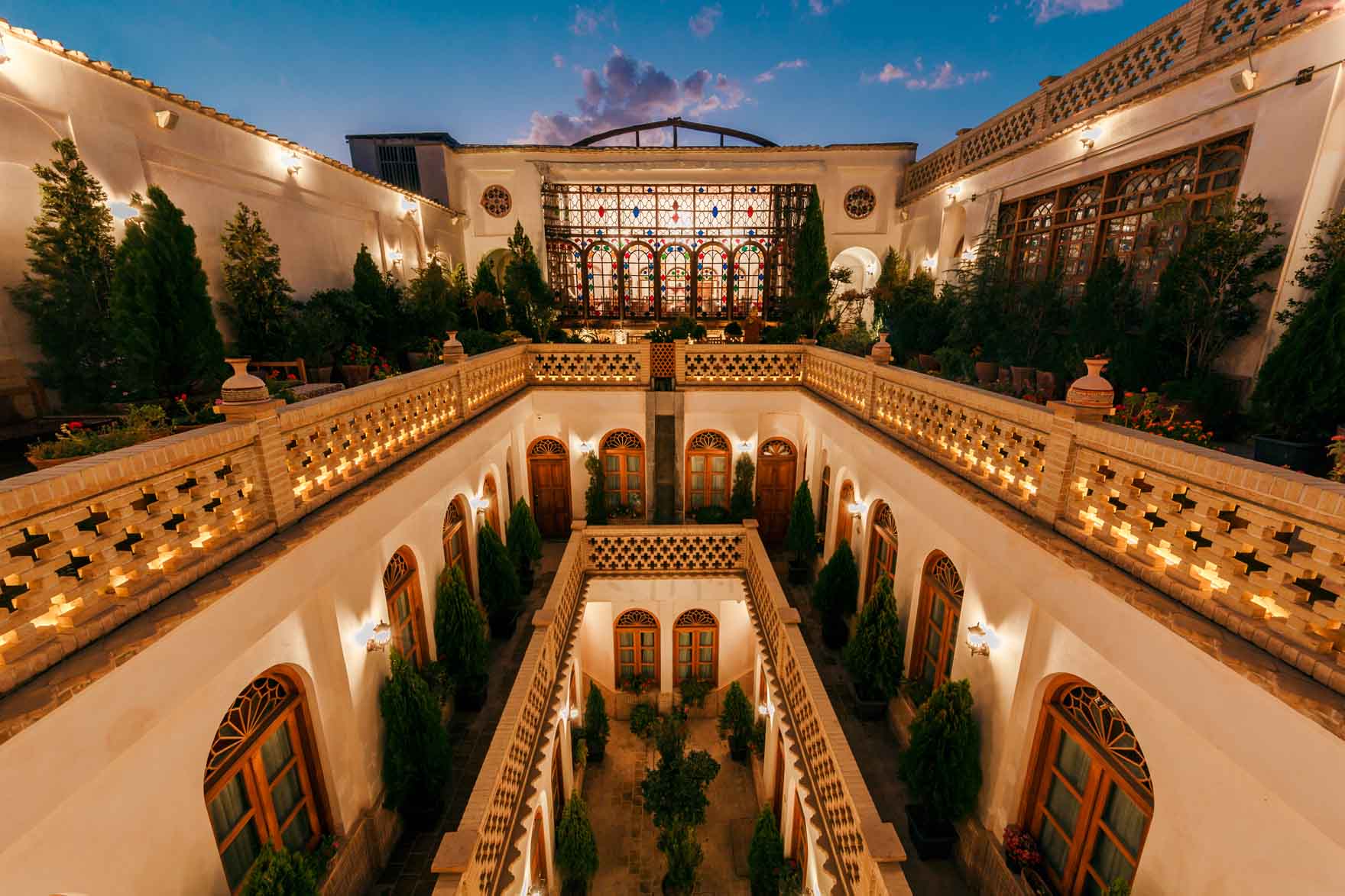
Isfahan, historically renowned as Nesf-e Jahan ("Half of the World"), is world-famous for its sublime Safavid architecture, turquoise-domed mosques, and tranquil Persian gardens. Yet, among the most enchanting experiences any traveler can have in the city is an evening stroll along the historic bridges of the Zayandeh River. These iconic structures are not mere river crossings—they are masterpieces of hydraulic engineering, grand royal pavilions, and vibrant social hubs that have captured the hearts of travelers for over four centuries.
🌟 Essential Highlights of Isfahan's Bridges
- Si-o-Seh Pol (Bridge of 33 Arches): Built in 1602, spanning 298 meters—the longest historic bridge in Isfahan, linking the Safavid royal axis to the Armenian quarter of New Julfa.
- Khaju Bridge (Pol-e Khaju): Built around 1650 by Shah Abbas II—widely hailed as the most architecturally refined bridge in Iran, featuring a central royal pavilion and remarkable acoustic arches.
- Twilight Singing Tradition: At sunset and dusk, local singers gather beneath the stone vaults of Khaju Bridge to sing soulful classical Persian poetry.
- Walking Distance: Just a pleasant 15-minute stroll south from Ghasr Monshi Boutique Hotel.
1. Si-o-Seh Pol: The Monumental Bridge of 33 Arches
Commissioned by Shah Abbas I and overseen by his commander-in-chief, Allahverdi Khan Undiladze, Si-o-Seh Pol was completed in 1602. Stretching nearly 300 meters across the riverbed with a double tier of stone and brick arches, it connected Chahar Bagh Abbasi avenue with the vibrant merchant quarter of New Julfa.
Historically, the bridge hosted vibrant civic celebrations, including the Persian Ab-Pashan (water-splashing) festival. Today, walking along its upper pedestrian promenade or peering through the lower arched galleries offers breathtaking panoramic views of the Isfahan skyline.
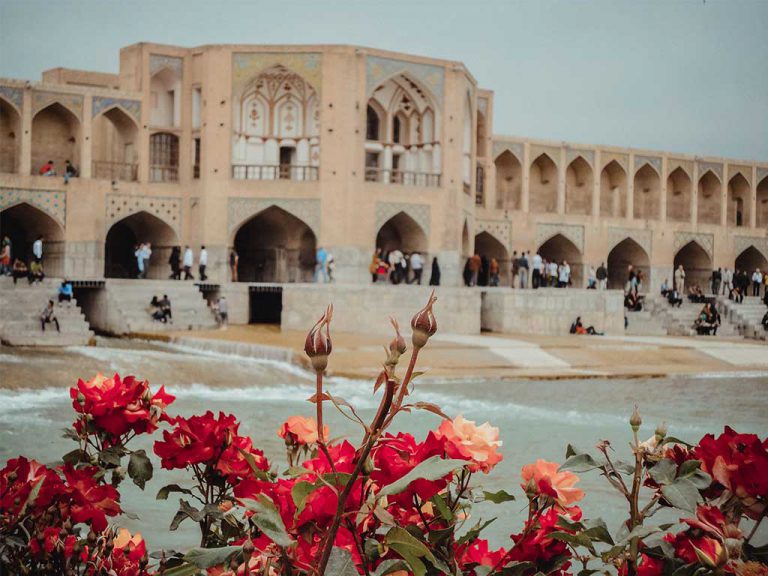
2. Khaju Bridge: The Crown Jewel of Safavid Architecture
Constructed around 1650 by Shah Abbas II on the foundations of an earlier Timurid crossing, Khaju Bridge (Pol-e Khaju) is celebrated by architectural historians as one of the finest bridges in the world. Measuring 133 meters in length and 12 meters in width, it ingeniously served three distinct functions:
- A Grand Crossing: Linking the historic Khaju quarter with the southern gardens and Zoroastrian neighborhoods.
- A Weir and Dam: Sluice gates between its lower stone piers regulated water levels to irrigate the royal upstream gardens.
- A Royal Summer Pavilion: The two-story central pavilion, known as the Shah Neshin, was decorated with exquisite frescoes, tilework, and paintings where the Shah and his foreign ambassadors enjoyed water festivities.
3. The Magic of Evening Singing Under the Arches
What truly breathes life into Khaju Bridge is its living acoustic tradition. Because the lower stone chambers and vaulted brick arches create a warm, resonant acoustic reverberation, local vocalists and elders gather here every evening—particularly at twilight—to sing classical Persian radif, ghazals of Hafez and Saadi, and nostalgic folk songs. Standing among the gathered crowd as melodies echo across the water is an unforgettable cultural memory.
4. Joui (Choobi) Bridge: The Intimate Royal Aqueduct
Located midway between Khaju Bridge and Si-o-Seh Pol, the Joui Bridge (also known as Pol-e Choobi) was built in 1665. Measuring 147 meters long with 21 arches, it was designed as an exclusive private conduit to carry water directly into the royal gardens of Haft Dast and Saadat Abad. Its slender proportions and peaceful atmosphere make it a beloved hideaway for reading and quiet contemplation.
5. Shahrestan Bridge & Marnan Bridge: Ancient Foundations
While the Safavid bridges capture the limelight, Isfahan's river history dates back much further:
- Shahrestan Bridge: Located east of the city, this is the oldest surviving bridge in Isfahan, with stone and mortar foundations originating in the Sasanian empire (3rd to 7th century CE) and renovated under the Seljuks.
- Marnan Bridge: Positioned west of the center, linking ancient village quarters with rich orchards, tracing its roots to pre-Islamic times.
Practical Guide: Walking from Ghasr Monshi Boutique Hotel
Guests staying at Ghasr Monshi Boutique Hotel enjoy an unbeatable location for exploring Isfahan on foot. To visit the bridges:
- Exit the hotel along historic Ghasr Monshi Alley (Alley 10) onto Neshat Street.
- Walk south down Neshat Street toward Bozorgmehr for approximately 15 minutes.
- You will arrive directly at the northern foot of Khaju Bridge. From here, follow the scenic, tree-lined riverbank promenade west toward Choobi Bridge and Si-o-Seh Pol (about 2 km / 25 minutes of pleasant riverside walking).
Tips for Travelers
- Admission: All of Isfahan's historic bridges are public open spaces and completely free of charge to visit.
- Best Timing: Late afternoon into twilight (5:00 PM to 8:30 PM) is ideal for photography and experiencing the vibrant local ambiance.
- Seasonal Water Flow: The flow of the Zayandeh River varies throughout the year based on seasonal agricultural management; even during dry periods, the riverbed serves as an animated public park where locals gather.
Frequently Asked Questions
How far is Khaju Bridge from Ghasr Monshi Boutique Hotel?
It is approximately 1.5 km away—an easy and scenic 15-minute walk south along Neshat Street.
Can I walk between Si-o-Seh Pol and Khaju Bridge?
Yes, the distance between the two bridges is roughly 2 kilometers along a flat, landscaped riverside promenade with parks, cafes, and stone paths.